In punching and press forming operations, rising defect rates are often blamed on tooling or equipment issues. However, in many cases, the root cause is incorrect lubricant selection.
Punching oil is not just a consumable—it directly affects process stability, product quality, tool life, and overall manufacturing cost. This article highlights common lubricant selection mistakes that lead to higher defect rates and explains how to avoid them.
1. Using Lubricants with Excessively High Viscosity
Burr Formation and Dimensional Inconsistency
Problem Scenario
When high-viscosity lubricants are used in high-speed punching operations, the oil cannot evacuate quickly from the tool–workpiece interface. This results in uneven lubrication films and unstable cutting conditions.
Resulting Defects
Increased burr formation
Tearing or rough sheared edges
Poor dimensional accuracy
Best Practice
Use low-viscosity, high-flow punching oils for high-speed operations
Match lubricant viscosity to punching speed and die clearance
In metal stamping environments, productivity, die life, and part quality all depend heavily on one often-overlooked factor: proper lubrication. Whether you’re punching aluminum, stainless steel, copper, or coated steels, the right lubricant can dramatically reduce defects, prevent tool damage, and stabilize your entire production process.
This article explains why lubrication is essential in punching and blanking operations—and what manufacturers stand to gain by choosing the right formulation.
1. Understanding Punching Operations
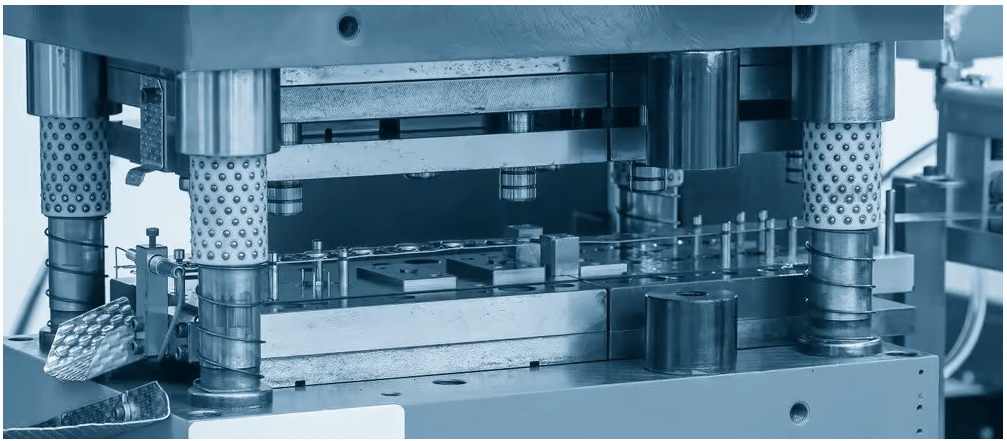
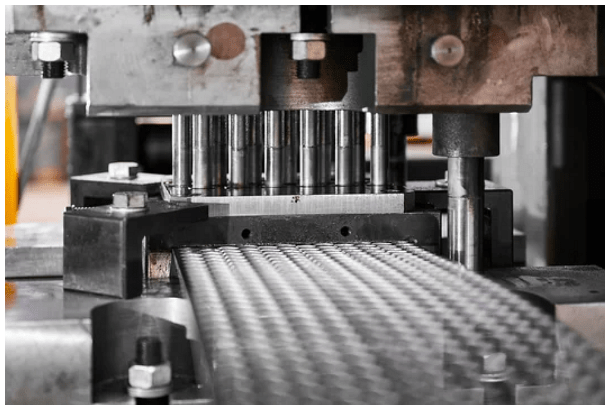
Punching and blanking are high-speed metal forming processes where a punch tool exerts force on sheet metal to create a hole (punching) or separate a part from the sheet (blanking).
These operations generate:
Extremely high contact pressure
Friction and heat
Metal-to-metal interface between punch, die, and workpiece
Without adequate lubrication, these conditions quickly lead to premature wear and inconsistent part quality.
2. The Role of Lubrication in Metal Stamping
Proper lubrication isn’t simply “oil on metal.” It delivers several critical functions during stamping:
① Reducing Friction
Lubricants form a thin protective film between the punch and metal surface, preventing direct contact. Lower friction translates into:
Lower punch force
Reduced heat generation
Smoother tool operation
Improved dimensional accuracy
② Preventing Galling and Welding
Galling—especially common with aluminum—is the result of micro-welding between tool and workpiece. High-performance lubricants prevent this by:
Creating a stable boundary film
Dissipating heat
Reducing adhesive tendencies
This is one of the main reasons why dedicated aluminum punching oils like Dyna-4300S are preferred.
③ Extending Die Life
Die sharpening, replacement, and downtime cost far more than lubricant does. Proper lubrication:
Minimizes wear on cutting edges
Prevents micro-chipping
Reduces die maintenance frequency
Extends tool life significantly
④ Reducing Burrs and Edge Defects
A well-lubricated interface ensures:
Cleaner shearing action
Reduced burr height
More consistent part edges
Lower scrap rate
Insufficient lubrication is one of the top causes of burr-related rework.
⑤ Improving Heat Control
Even small rises in heat alter material behavior. Lubricants help:
Absorb and disperse heat
Prevent thermal expansion
Maintain stable dimensional tolerances
3. The Cost of Poor Lubrication
A stamping line with inadequate or improper lubrication will experience problems such as:
Galling/welding on punches
Excessive burr formation
Faster die wear
Surface scratches or scoring
Increased reject rate
Higher energy consumption
Unplanned downtime
In many cases, simply switching to a properly engineered punching oil solves these issues without modifying equipment or process parameters.
4. Benefits of Using Specialized Punching Oils
Specialized formulations such as Dyna-4300S, designed for aluminum punching, offer advantages over generic lubricants:
✔ Superior lubricity at low film thickness
Minimizes residue while providing strong protection.
✔ Excellent anti-wear and anti-weld additives
Crucial for preventing tool sticking on soft metals like aluminum.
✔ Fast evaporation / easy cleaning
Ideal for no-wash or semi-wash processes.
✔ Improved part appearance
No stains, no dark residues, no oil pooling.
✔ Lower consumption
Engineered to work effectively with minimal application volume.
5. Lubrication as a Value Generator, Not a Cost
Many manufacturers make the mistake of treating lubricant as a cost to be minimized. In reality, lubrication is one of the highest-leverage improvements in a stamping line.
A high-quality punching oil can:
Increase die life by 20–40%
Reduce burr defects by up to 60%
Improve line speed
Reduce cleaning and post-processing costs
Lower overall production cost per part
The value created far exceeds the cost of the lubricant itself.
Conclusion
Lubrication plays a central role in the performance, quality, and economy of punching and blanking operations. From reducing friction to preventing galling, from improving part finish to protecting expensive tooling, the right punching oil is one of the most important factors for stable, efficient stamping.
Companies that invest in specialized lubricants—such as Dyna-4300S, optimized for aluminum punching—see fewer defects, longer tool life, and more productive press lines.
Maximizing Tool Life, Surface Quality, and Productivity in Sheet Metal Fabrication
In modern sheet-metal manufacturing, punching and blanking operations are under constant pressure: higher speeds, tighter tolerances, stronger materials, and reduced downtime. As these demands increase, one factor becomes more mission-critical than ever—proper lubrication. The right punching oil does far more than simply “reduce friction.” It directly impacts tool longevity, product quality, equipment stability, and overall operating cost.
This article explains why lubrication matters, the mechanisms behind its performance, and what manufacturers should consider when selecting a high-performance lubricant for punching and blanking.
1. Lubrication Prevents Galling and Adhesion Wear Stamping involves extreme localized pressure where the punch contacts the workpiece. Without robust lubrication:
Aluminum and stainless steel easily adhere to Stamping surfaces
Galling accelerates tool wear
Burr height increases and quality becomes inconsistent
Unexpected punch breakage can occur
A well-formulated punching oil forms a protective boundary film that prevents metal-to-metal contact. This barrier reduces adhesion, stabilizes cutting forces, and enables smoother scrap evacuation.
High-lubricity products—such as chlorinated EP systems or advanced non-chlorinated additives—show particularly strong performance when processing aluminum or high-strength steel.
2. Improved Tool Life and Lower Operating Costs
Tooling costs are one of the largest contributors to punching-operation expenses. The right lubricant dramatically extends tool life by:
Minimizing frictional heat
Preventing micro-cracks and fatigue damage
Reducing sharpening frequency
Maintaining dimensional accuracy over long runs
Plants often report 20–40% longer tool life simply by switching to a more suitable punching lubricant. This translates into lower tool-replacement costs and significantly reduced downtime.
3. Enhanced Surface Quality and Dimensional Accuracy
A stable lubrication film ensures that the punch penetrates the sheet cleanly. Benefits include:
Lower burr height
Reduced die roll and break deformation
Cleaner edges for downstream bending or welding
Lower scrap rate
For automotive, electronics, and appliance parts—where edge quality is critical—lubrication plays a decisive role in meeting customer tolerances.
4. Managing Heat in High-Speed and High-Strength Applications
When punching high-strength steel or operating at high strokes per minute, heat rapidly accumulates. Excessive heat causes:
Thermal expansion of tooling
Loss of dimensional control
Damage to coatings such as TiN/TiCN
Work-hardening of sheet materials
Punching oils with excellent cooling and wetting properties dissipate heat quickly, keeping both tools and parts stable under demanding conditions.
5. Cleaner Operation and Reduced Maintenance
Modern punching oils are engineered to provide:
Low misting during high-speed press operations
Fast spreading and wetting
Easy cleanup after stamping
Compatibility with washing lines or water-based cleaners
This leads to a cleaner workplace, reduced fire hazard, and lower maintenance on presses, sensors, and scrap conveyors.
6. Environmental and Safety Benefits
Regulations and customer requirements are increasingly pushing the industry toward:
Chlorine-free solutions
Low-VOC formulations
Skin-friendly and odor-controlled products
Non-staining oils for aluminum and galvanized steels
Advanced synthetic lubricants and ester-based formulations meet these requirements while still delivering superior performance.
7. Selecting the Right Lubricant for Punching & Blanking
Choosing a lubricant should be based on:
Consideration
Why It Matters
Material type (Al, SS, HSS, GI, copper)
Adhesion and friction behavior differ
Thickness & tensile strength
Determines required EP performance
Stroke rate & tonnage
Impacts heat and viscosity selection
Tool coating (TDC, TiN, DLC)
Some coatings prefer specific lubricants
Post-process cleaning conditions
Solubility and washability
Environmental regulations
VOC, chlorine-free requirements
Manufacturers producing aluminum components—such as automotive brackets, EV battery parts, or appliance trim—benefit especially from lubricants designed to prevent aluminum welding on punches, such as high-performance synthetic oils like Dyna Punch-4300S
Lubrication is not merely a supporting factor in punching and blanking operations—it is a critical determinant of productivity and quality. The right lubricant reduces galling, extends tool life, stabilizes edge quality, prevents overheating, and keeps operations clean and safe.
In an era of stronger materials, faster production lines, and increasingly tight tolerances, choosing the right punching oil is no longer optional—it is a strategic decision that directly affects competitiveness.
Deep drawing is a core metal forming process used to produce cups, housings, deep cavities, and structural components. It is widely applied in the automotive, appliance, electronics, and semiconductor industries—but it is also one of the most challenging forming operations due to high friction, elevated heat, and heavy tool wear. Because of this, choosing the right deep drawing lubricant becomes a critical factor in process stability and product quality.
This article highlights the essential lubricant properties required for deep drawing and explains why they are so important.
🔧 1. High Lubricity – The Foundation of Smooth Metal Flow
During deep drawing, the sheet metal strongly contacts the die surface while undergoing severe deformation. This makes low friction performance absolutely essential.
If lubricity is insufficient, you may see:
Surface scratches
Non-uniform deformation
Accelerated die wear
Increased scrap due to surface defects
A stable and durable lubricant film allows the material to flow smoothly, enabling deeper drawing with consistent wall thickness.
🔥 2. Excellent Extreme Pressure (EP) Performance – Protecting the Die
Deep drawing operates under high loads and compression, so the lubricant must contain effective EP additives.
Without proper EP performance, the following issues can occur:
Galling (material adhesion to the die surface)
Bite marks
Severe die scoring
Premature die failure
EP additives create a protective chemical film under high-pressure conditions, preventing metal-to-metal contact.
🌡️ 3. Strong Thermal Stability – Preventing Breakdown at High Temperatures
The intense friction in deep drawing generates sharp temperature spikes. If a lubricant lacks thermal stability, it can quickly degrade through oxidation, viscosity breakdown, or carbonization.
A thermally stable lubricant offers:
Consistent lubrication film
Lower risk of breakdown
Reduced carbon residue
Better part quality during long production runs
This is especially important when forming stainless steel or high-strength steel (HSS/AHSS).
🧪 4. Uniform Boundary Film – Maintaining Consistent Protection
A deep drawing lubricant must maintain a uniform boundary film even under heavy load and extended contact.
A stable boundary film ensures:
Smooth metal flow
Consistent deformation behavior
Reduced scoring and scratches
This is particularly important for aluminum and stainless steel, which are prone to surface damage when film stability is weak.
🧼 5. Good Cleanability – Essential for Downstream Processes
After deep drawing, components often undergo welding, bonding, painting, or coating. This makes residue control extremely important.
A cleanable lubricant offers:
Fewer post-treatment defects
Minimal carbon residue
Higher surface cleanliness
Better compatibility with welding or coating lines
Cleanability is especially critical in EV battery trays, housings, and precision electrical components.
Electrical Discharge Machining (EDM) is essential for processing complex shapes and high-hardness materials. However, the process often brings high operational and consumable costs, becoming a major burden in manufacturing. What many shops overlook is this:
Proper selection and management of EDM oil can significantly reduce total manufacturing costs.
EDM oil is not just a lubricant. It is a critical factor that influences: ✔ Dielectric performance ✔ Cooling and flushing efficiency ✔ Carbon sludge dispersion ✔ Equipment maintenance and reliability
This article explains how EDM oil contributes directly to cost reduction across the entire production line.
Electrode wear is one of the largest cost contributors in EDM. Using oil with poor dielectric strength or high oxidation tendency leads to frequent micro-arcing, accelerating electrode consumption.
High-quality EDM oils with the following characteristics significantly reduce electrode wear:
Stable dielectric strength
Excellent thermal stability
Improved sludge dispersion
Effective heat control
Many users report 15–40% reduction in electrode consumption, resulting in immediate cost savings.
If carbon sludge is not properly removed during machining, defects such as:
Higher surface roughness
Micro cracks
Rework or polishing requirements
may occur.
Using EDM oil with strong cleaning and dispersion performance leads to: ✔ More uniform surface finish ✔ Fewer micro-pits ✔ Reduced polishing and finishing steps
This directly lowers total manufacturing cost.
4. Extended Machine Life & Lower Maintenance Costs
Low-grade EDM oil degrades rapidly, producing varnish and sticky residues. This leads to:
Pump and valve wear
Filter clogging
Shortened oil replacement intervals
Increased machine downtime
High-stability EDM oils with low residue formation improve inside-machine cleanliness and provide:
2× longer filter life
Longer oil service intervals
Lower failure rates in pumps and hydraulic systems
All of which help reduce overall maintenance cost.
Innovation in Dielectric Fluid Management for Intelligent Machining Systems
The manufacturing industry is rapidly evolving toward smart factories, automation, and intelligent production systems. Electrical Discharge Machining (EDM) is no exception — as unmanned and continuous operations become more common, maintaining the quality and stability of EDM oil (dielectric fluid) has become more critical than ever.
In automated EDM environments, dielectric oil is no longer a passive medium; it has become a core factor that determines machining precision, equipment reliability, and operational efficiency.
1. Why EDM Oil Management Matters in Automation
In unmanned machining systems, operators cannot constantly monitor the process. This means that issues such as oil degradation, contamination, viscosity changes, and oxidation may occur without immediate detection.
Such changes can lead to several critical problems:
⚠️ Reduced dielectric strength → unstable discharges and surface defects
⚠️ Increased viscosity → lower cooling and flushing efficiency
⚠️ Sludge buildup → electrode wear and irregular sparking
⚠️ Oxidation → unpleasant odor, discoloration, and lower flash point
Therefore, maintaining oil properties at a consistent and stable level is essential to ensure process reliability in automated EDM systems.
2. Core Elements of Intelligent EDM Oil Management
✅ (1) Real-Time Oil Monitoring Systems
Modern EDM machines are equipped with sensor-based oil monitoring systems that continuously measure temperature, viscosity, conductivity, and contamination levels. These systems automatically detect abnormalities and issue alerts before problems escalate.
Example: If viscosity increases, the system alerts operators and initiates automatic oil replenishment or purification.
This data-driven predictive maintenance approach minimizes downtime and extends the service life of EDM oil.
✅ (2) Automatic Filtration and Circulation Systems
During long machining operations, metal debris and electrode erosion are inevitable. To address this, automated filtration and circulation systems are now standard features.
Fine filtration (below 5 μm) removes metal particles
Heat exchangers maintain constant oil temperature
Automated replenishment and regeneration systems extend oil life
These systems ensure consistent oil quality, enhancing surface integrity, machining stability, and machine uptime.
✅ (3) Adoption of High-Performance Synthetic EDM Oils
Continuous unmanned operations demand oils with superior stability and safety. Hence, synthetic EDM oils are increasingly replacing conventional mineral-based fluids.
Key advantages include:
High oxidative stability → minimal viscosity variation over time
Elevated flash point → improved operational safety
Low volatility → reduced odor and vapor emission
Balanced cooling, insulation, and flushing performance
Next-generation synthetic EDM oils also feature low-odor, non-toxic formulations, aligning with modern environmental and workplace safety standards.
3. Key Maintenance Practices for Smart EDM Systems
Regular analysis — Monitor viscosity, dielectric strength, and oxidation (TAN)
Filter management — Automate filter replacement and efficiency tracking
Predictive oil replacement — Use AI-based analytics to forecast oil life cycle
Environmental safety — Integrate ventilation, fire prevention, and leakage controls
A systematic oil management program enhances reliability in unmanned operations and prevents unexpected machining errors or equipment downtime.
4. Future Outlook: Data-Driven Fluid Intelligence
EDM oil management is evolving from traditional maintenance to data-driven intelligent fluid management.
IoT sensors collect real-time oil condition data
AI algorithms predict degradation trends
Integration with ERP/MES systems enables automated maintenance planning
This transformation allows manufacturers to quantify process quality and manage EDM oil as a strategic machining asset, rather than a consumable.
✅ Conclusion
In the era of automation and unmanned machining, EDM oil management has become a critical production technology, not a secondary concern. By adopting real-time monitoring, automated purification, and data-driven maintenance systems, manufacturers can significantly improve machining quality, equipment reliability, and operational efficiency.
In short, intelligent EDM oil management is the “invisible key to productivity” in smart manufacturing environments.
When it comes to producing precision molds or ultra-fine components, Electrical Discharge Machining (EDM) is one of the most indispensable technologies. This process removes metal using micro-discharges between an electrode and the workpiece — and at the heart of this operation lies a critical, yet often overlooked component: EDM fluid. Although it may look like ordinary insulating oil, EDM fluid is the hidden hero that dictates machining precision, surface quality, and process stability.
The Fundamental Roles of EDM Fluid
EDM fluid does far more than simply wet the workpiece and electrode. It performs several essential functions that directly influence machining results:
Insulation Maintains dielectric strength between the electrode and workpiece so that discharge occurs only when required. This prevents unwanted arcing, surface damage, and ensures stable machining.
Cooling Absorbs and dissipates the intense heat generated during discharge, reducing electrode wear and preventing thermal distortion of the workpiece.
Flushing Removes debris and metal particles (sludge) generated during discharge, keeping the gap clean and preventing short circuits.
Surface Finish Improvement Stable dielectric recovery and consistent viscosity allow uniform micro-discharges, resulting in smooth surface finishes and precise geometry.
Viscosity and Dielectric Strength — The Key to Quality
Two major characteristics determine EDM oil performance: viscosity and dielectric strength.
Low-viscosity fluids offer excellent flushing and faster discharge cycles, → ideal for rough or high-speed cutting applications.
High-viscosity fluids provide superior insulation and stable micro-discharges, → ideal for fine finishing or high-precision machining.
Selecting the right combination of viscosity and dielectric properties is essential to achieve optimal EDM quality and process efficiency.
The New Trend: Eco-Friendly, Low-Odor, and High-Stability Oils
While traditional EDM oils were mainly mineral-based, the industry is rapidly shifting toward synthetic and eco-friendly EDM fluids. These next-generation oils offer multiple advantages:
Enhanced oxidation stability → less degradation and viscosity change over long-term use
Low odor and low irritation → better operator comfort and a safer work environment
Reduced impurities → improved discharge stability and lower electrode wear
Some advanced fluids are even VOC-reduced, meeting stricter environmental and safety standards in modern manufacturing facilities.
Proper Maintenance Ensures Consistent Performance
Even the best EDM oil cannot perform well without proper maintenance. To preserve its properties and ensure consistent machining quality, the following management practices are critical:
Regular filtering to remove debris and sludge
Frequent inspection for moisture contamination, which lowers dielectric strength
Monitoring color and viscosity changes
Periodic partial or full replacement depending on operating conditions
A disciplined maintenance routine not only ensures stable EDM performance but also extends machine and oil life.
Conclusion
In EDM machining, the visible sparks between the electrode and workpiece draw most of the attention — but the way those sparks behave is ultimately determined by the EDM fluid.
From machining efficiency and surface quality to electrode wear and operator safety, every aspect of EDM performance depends on the right fluid selection and management.
EDM oil is not just a consumable — it is a true partner in precision manufacturing.
EDM Fluid Technology: Innovations Driving Precision and Efficiency
EDM fluid technology encompasses the ongoing progress and innovation in the formulation and enhancement of dielectric fluids used in Electrical Discharge Machining (EDM). These specialized fluids are indispensable to the EDM process, performing essential roles such as electrical insulation, heat dissipation, and debris evacuation. Modern developments in EDM fluid formulations have led to products with superior thermal, electrical, and lubrication properties, enabling cleaner machining and greater operational stability.
Today’s EDM fluids are engineered from a balanced combination of base oils, additives, and surfactants, specifically designed to optimize flushing and cooling performance. This refined chemistry allows for faster debris removal, cleaner work zones, and improved spark stability. As a result, users benefit from reduced electrode wear, longer tool life, and finer surface finishes, contributing to higher process reliability and lower overall machining costs.
The Role and Significance of EDM Fluid Technology
EDM fluid technology plays a central role in ensuring the precision, reliability, and sustainability of modern machining operations. Its impact can be seen in several key areas:
1. Supporting the EDM Process Dielectric fluids act as the medium through which controlled electrical discharges occur between the electrode and the workpiece. By maintaining electrical insulation until the appropriate voltage threshold is reached, the fluid enables consistent and accurate spark generation. Without an Introduction
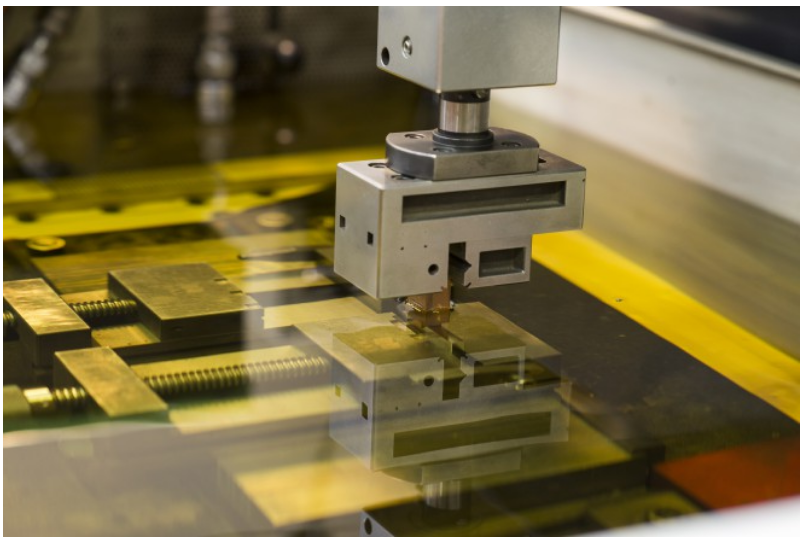
Electrical Discharge Machining (EDM) relies on specially formulated dielectric fluids, also known as EDM fluids, to enable precise shaping of hard metals and alloys. In EDM, controlled electrical discharges erode material from the workpiece, allowing for intricate geometries that are difficult to achieve by conventional cutting methods.
During this process, the dielectric fluid performs multiple critical functions. It acts as an insulator, preventing premature arcing between the electrode and the workpiece so that electrical discharges occur only when intended. This ensures accurate and consistent material removal. The fluid also serves as a coolant, absorbing and dispersing the intense heat produced during sparking. Effective cooling maintains dimensional stability, prevents microcracking, and extends electrode life. Furthermore, the fluid helps flush away debris, keeping the gap between the tool and workpiece clean and maintaining stable machining conditions.
Types of EDM Fluids
EDM fluids are available in several types and formulations to match different machining conditions and material characteristics. Common options include mineral oil-based, synthetic hydrocarbon, water-based, and low-viscosity fluids, along with specialized products designed for unique applications.
The selection depends on multiple factors — required precision, workpiece material, desired surface finish, machining speed, and environmental constraints. Below are the major types of EDM fluids used across industries.
Mineral Oil-Based EDM Fluids
Mineral oil-based fluids, traditionally used in EDM since its early development, are derived from refined petroleum hydrocarbons. They offer strong electrical insulation and good compatibility with a wide range of metals. However, these oils tend to degrade thermally under high-energy discharge conditions and provide relatively weak flushing performance. As a result, while cost-effective, they are better suited for general machining rather than high-precision mold work.
Synthetic EDM Fluids
Synthetic EDM fluids are formulated from engineered hydrocarbons and performance additives such as oxidation inhibitors and extreme-pressure agents. Compared with mineral oils, they exhibit superior thermal stability, higher flash points, and longer service life. These fluids allow for faster material removal rates, better surface finishes, and minimal carbon residue. They are widely used in high-accuracy applications where complex geometry, tight tolerances, or extended operation times are required — such as aerospace, mold, and medical manufacturing.
Water-Based EDM Fluids
Water-based (or deionized-water) EDM fluids are primarily used in wire EDM operations. They offer excellent cooling performance and are inexpensive, nonflammable, and environmentally friendly. The strong flushing capability of DI water helps remove debris efficiently from the cutting zone. However, water has lower dielectric strength than oil, which limits its use in high-energy, high-precision die-sinking operations.
Low-Viscosity EDM Fluids
Low-viscosity EDM fluids are engineered for high-speed machining and fine surface finishing. Their reduced viscosity improves flow and debris removal, keeping the spark gap clear and stable. These fluids, typically based on light hydrocarbons or synthetic esters, resist thermal breakdown even under prolonged discharge conditions. They are ideal for operations that demand high removal efficiency and short cycle times without sacrificing precision.
Specialty EDM Fluids
Beyond standard formulations, several specialized dielectric fluids are designed for unique machining challenges:
Graphite-based fluids contain fine suspended particles that enhance spark efficiency and improve the resulting surface finish.
Oil-in-water emulsions combine the cooling benefits of water with the lubrication and insulation properties of oil, balancing performance and safety.
High-dielectric-strength fluids are advanced formulations capable of handling high-power EDM systems where voltage and discharge intensity are greater than average.
Selecting the proper fluid requires careful consideration of accuracy demands, material composition, process speed, and surface quality requirements. Manufacturers and fluid suppliers often provide technical support to help optimize performance for each application.
Applications of EDM Fluids
EDM fluids are vital in supporting stable discharge, cooling, lubrication, and chip removal during machining. Their role spans across a wide range of industries that rely on EDM to produce components requiring extreme precision and fine detail.
Aerospace Industry
In aerospace manufacturing, EDM is indispensable for fabricating turbine blades, fuel injectors, and engine components — all of which demand tight tolerances and complex contours. Synthetic EDM fluids are commonly chosen for these applications because they provide consistent performance under high energy loads, promote efficient flushing, and deliver superior accuracy in difficult-to-machine alloys.
Automotive Industry
The automotive sector uses EDM extensively in the production of dies, molds, and precision parts. Low-viscosity fluids enable higher cutting speeds and efficient chip removal, resulting in faster cycle times and improved productivity. These fluids help maintain dimensional precision and surface integrity, which are critical for high-performance automotive components.
Medical Industry
In medical manufacturing, EDM enables the production of surgical tools, implants, and device components that require both accuracy and biocompatibility. Depending on the application, either synthetic or water-based dielectric fluids are used to achieve the required surface finish and dimensional control. The fluids ensure that delicate features are machined without introducing contamination or heat-induced distortion.
Electronics Industry
The electronics sector depends on EDM for the creation of molds and dies used in semiconductor and connector manufacturing. Here, maintaining accuracy and surface cleanliness is essential. Specialty fluids, including graphite-enhanced formulations, help achieve extremely fine surface finishes, minimize electrode wear, and prevent short-circuiting caused by debris. This ensures the reliable production of complex electronic components.
Tool and Mold Making
EDM is fundamental in the tool and die industry, used to produce precision molds, punches, and dies with detailed geometries. Synthetic and low-viscosity EDM oils are commonly adopted due to their stable dielectric properties, effective debris removal, and long service life. They contribute to producing durable tools with high dimensional accuracy and smooth surfaces.
General Machining
Beyond specialized industries, EDM fluids are applied in a wide variety of general machining and prototyping operations. Whether shaping hard materials, repairing damaged components, or achieving fine details, dielectric fluids ensure controlled discharges, proper cooling, and smooth finishes. Their combination of insulation, heat dissipation, and debris removal capabilities makes them indispensable across diverse manufacturing environments.
Conclusion
EDM fluids are an essential part of precision manufacturing, serving not only as insulators and coolants but also as enablers of stable and efficient machining. From aerospace and automotive to electronics, medical, and tool-making industries, these fluids ensure accurate, high-quality results in complex machining processes.
Selecting the appropriate EDM fluid depends on factors such as material type, process speed, desired finish, and environmental requirements. By matching fluid characteristics to machining objectives, manufacturers can enhance process stability, extend tool life, and achieve superior productivity and precision.
In advanced manufacturing sectors such as precision mold production, aerospace component machining, and semiconductor fabrication, Electrical Discharge Machining (EDM) remains an indispensable process. A critical factor determining the performance and reliability of EDM operations is the EDM oil, which functions far beyond a simple coolant or lubricant.
EDM oil must simultaneously provide insulation, cooling, and flushing while maintaining chemical and thermal stability under extreme operating conditions. This article examines three fundamental physical properties — viscosity, flash point, and dielectric strength — and how their balance directly affects EDM quality and process efficiency.
1. Viscosity: Balancing Cooling and Flushing Performance
Viscosity represents the internal resistance of a fluid to flow, and in EDM oil, it dictates how efficiently the oil cools and removes debris during discharge.
Sludge removal becomes slower, and carbon residues tend to remain between the electrode and the workpiece. → This leads to rougher surface finishes and reduced machining speed.
▪ When viscosity is too low:
The spark gap may lose its insulation prematurely, leading to unstable discharges.
The oil vaporizes more easily, increasing odor and mist generation in the work area.
In general, a moderate viscosity range of approximately 2–4 mm²/s at 40°C provides optimal performance — ensuring both stable discharge control and effective heat dissipation.
2. Flash Point: A Critical Parameter for Safety
The flash point is the lowest temperature at which oil vapors can ignite in air. Because EDM continuously generates high-voltage sparks, the flash point directly affects operational safety and thermal stability.
▪ If the flash point is low:
The oil is more prone to vaporization and ignition during machining.
This increases the risk of fire and operator exposure to harmful fumes.
▪ If the flash point is high:
The oil remains stable under prolonged exposure to heat.
Oxidative degradation and vapor loss are significantly reduced.
For industrial EDM applications, oils with flash points above 100°C are considered safe, while premium-grade fluids exceeding 150°C are preferred for high-load or continuous operations, offering both safety and durability.
3. Dielectric Strength: The Core of Discharge Control
In EDM, the dielectric strength of the oil defines its ability to withstand electric fields without breakdown. This property determines the precision and stability of each discharge event between the electrode and the workpiece.
▪ When dielectric strength is too low:
Unwanted discharges (short circuits, arcs) can occur.
The surface becomes rough, and electrode wear accelerates.
▪ When dielectric strength is too high:
Discharges may occur less frequently or with delay, lowering machining speed.
Typically, a dielectric breakdown voltage of 15–30 kV or higher is required to ensure consistent spark formation while maintaining insulation stability throughout the process.
4. Achieving Balance: The Key to Optimal EDM Performance
Each physical property serves a distinct role:
Viscosity governs heat dissipation and debris removal.
Flash point ensures safety and thermal endurance.
Dielectric strength enables precise control of electrical discharge.
However, these characteristics are interdependent — improving one can often compromise another.
For instance:
A high-viscosity, high-flash-point oil may offer superior safety but slower cooling. A low-viscosity oil enhances flushing but can reduce insulation stability.
Thus, the optimal EDM oil formulation is a carefully engineered balance that matches both the work material (e.g., steel, copper, aluminum) and the machining mode (roughing vs. finishing).
🏁 Conclusion
The performance of EDM oil cannot be defined by a single property or specification. Only when viscosity, flash point, and dielectric strength are properly balanced can the oil deliver:
Stable and consistent discharges,
High-quality surface finishes,
Extended electrode life, and
Safe, low-maintenance operation.
In essence, understanding and controlling the physical properties of EDM oil is the foundation of superior machining quality and process stability in modern precision manufacturing.
In precision manufacturing fields such as mold making, semiconductors, and aerospace components, Electrical Discharge Machining (EDM) is an essential process. Among the many factors influencing EDM performance, EDM oil plays a particularly critical role. Far from being a simple lubricant, EDM oil is a high-performance fluid that must maintain a delicate balance between insulation and cooling ability.
1. Insulation — The Foundation of Stable Discharge
EDM works by applying voltage between the electrode and the workpiece across a tiny gap, melting and vaporizing the metal through electric discharge. Here, the insulating property of EDM oil is vital.
Function 1: Prevents unwanted discharge (short circuits) If insulation is poor, direct contact may occur between the electrode and workpiece, causing short circuits and surface damage.
Function 2: Enables precise discharge control Proper insulation ensures consistent discharge timing, improving surface finish and dimensional accuracy.
Function 3: Enhances micro-machining quality In micro-EDM or die making, stable insulation helps generate uniform sparks, resulting in superior surface quality.
In short, EDM oil acts as an insulating medium, blocking unnecessary current flow and ensuring that discharges occur only when and where they are intended.
2. Cooling — The Hidden Hero That Controls Heat and Sludge
During discharge, the temperature between the electrode and workpiece can reach several thousand degrees Celsius. At this stage, EDM oil provides cooling and flushing functions that are essential for a stable machining environment.
Function 1: Controls heat and prevents deformation Strong cooling capability minimizes electrode wear and thermal deformation of the workpiece.
Function 2: Removes sludge efficiently Fine metal particles generated during discharge are quickly flushed away, maintaining discharge stability.
Function 3: Maintains surface quality Effective sludge removal reduces surface roughness and prevents micro-cracks.
3. The Key Is Balance Between Insulation and Cooling
However, insulation and cooling performance often work in opposite directions.
Excessive insulation can slow down the machining speed because discharges occur less frequently.
Too much cooling capacity can reduce insulation, causing unstable discharges.
Therefore, high-quality EDM oils are formulated to achieve the optimal balance between these two opposing characteristics.
Recent advancements in low-viscosity, high-insulation synthetic oils have improved both discharge efficiency and surface finish. Moreover, environmentally friendly formulations featuring low odor, reduced mist, and controlled flash points are becoming increasingly popular in modern machining environments.
Conclusion: Machining Quality Begins with Fluid Quality
EDM is a complex process that involves electrical, thermal, and chemical interactions. Thus, choosing the right EDM oil is not just about selecting a consumable — it is a key factor that determines process quality.
When insulation and cooling performance are well balanced, EDM oil can deliver greater stability, efficiency, and superior surface quality.








 DYNA Co., Ltd